Wedding Planning
Wedding Budget Planning: How to Spend on What Matters Most
A practical wedding budget worksheet, quote-comparison method, and guest-count exercise without invented average costs.
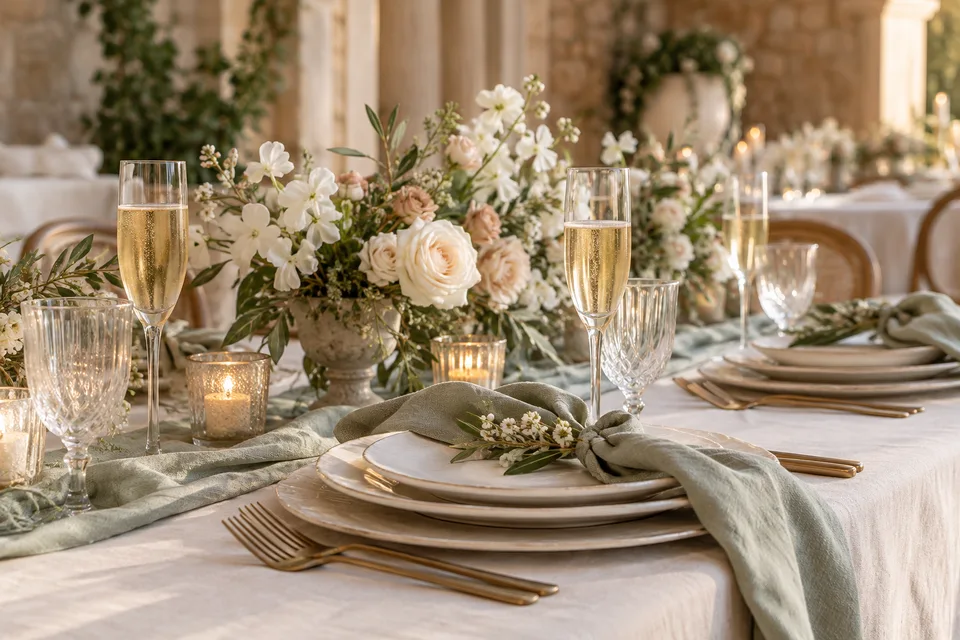
A wedding budget is a spending limit plus a payment plan. Start with the money you can use comfortably, subtract a reserve, and divide the remainder according to your priorities. A percentage chart can start a conversation, but actual written quotes should determine what your celebration can support.
The example below uses imaginary budget units rather than claiming a typical wedding price. Replace every figure with your own currency and supplier quotes. The goal is to see tradeoffs before deposits make those decisions harder to change.
Agree on a change-approval rule with anyone helping you plan. For example, no extra rental or additional service is booked without both partners seeing the final total. Tell vendors who can authorize changes. This avoids well-meant additions becoming surprise invoices after the celebration.
Before the final payment, reconcile each invoice against the signed agreement and approved changes. Ask about unexplained differences while there is still time to resolve them calmly.
Find your real spending ceiling
Write down available savings, confirmed contributions, and future savings you can reasonably make before balances are due. Keep everyday bills and emergency savings outside the wedding account. If a contribution depends on conditions, discuss those conditions before including the money in your plan.
Separate the wedding event from optional surrounding spending: engagement celebrations, travel, accommodation, a honeymoon, and post-wedding purchases. You may pay for them from the same savings, but combining everything under one vague number makes overspending easier to miss.
A sample allocation that exposes choices
| Category | Units | What to verify |
|---|---|---|
| Venue, food, and drinks | 45 | Staffing, rentals, service, tax |
| Photography | 12 | Coverage hours and deliverables |
| Clothing and alterations | 10 | Fittings, shoes, accessories |
| Ceremony and music | 8 | Officiant, sound, equipment |
| Flowers and stationery | 8 | Delivery, printing, setup |
| Transport and coordination | 7 | Hours, routes, collection |
| Uncommitted reserve | 10 | Unexpected needs |
A couple prioritizing photography might move units away from elaborate flowers. A restaurant wedding may combine venue and catering in one quote, while a blank-space venue can require separate furniture, kitchen equipment, and staff. Keep the total fixed while changing the mix.
Understand the guest-count effect
Some expenses rise with attendance: meals, drinks, chairs, place settings, invitations by household, and sometimes transportation. Other costs may stay similar within a guest range, such as a photographer's coverage. Capacity thresholds can also trigger larger rooms, additional staff, or another vehicle.
Try this exercise: take your quoted variable cost per guest and multiply it by ten. Then add any threshold costs those ten guests would trigger. This gives a more useful estimate than assuming that trimming ten invitations will reduce every wedding expense by the same proportion.
Discuss guest-list changes with care. Avoid presenting people as numbers. Agree on consistent invitation rules and revisit the whole experience if the preferred guest list does not fit the available funds. A simpler meal or different event format might preserve the relationships you value.
Compare equivalent quotes
Send vendors the same brief: date, location, guest count, hours, and desired service. Ask for itemized inclusions and exclusions. A quote with a lower starting figure can cost more once equipment, travel, setup, overtime, and collection are included.
Create one comparison row per vendor. Record the final quoted total, payment schedule, cancellation terms, and assumptions. Keep service charges and optional gratuities distinct; do not assume a service charge automatically goes to individual staff. Ask the business how each charge is handled.
Track commitments and cash flow separately
A deposit is part of a committed expense, not the whole cost. Track the contracted total as soon as you sign. Then record payments already made and the balance still owed. Otherwise your account may look healthy while several large balances approach at once.
Use a second view sorted by due date. Include a reminder to verify the invoice and payment instructions through a known contact, especially if bank details change. Retain receipts and written confirmations. Limit access to financial documents to the people who need them.
Choose reductions that guests will barely notice
Look for repetition before removing something meaningful. A single well-designed menu at each table may replace many individual menus. Flowers can sometimes move from ceremony to reception if timing, transport, and labor make sense. Reuse should be agreed with the florist, not assigned to an unsuspecting guest.
Reducing options can also lower complexity. One comfortable venue may remove the need for guest transport between locations. A concise schedule may reduce overtime. Simple seasonal arrangements can be attractive without requiring a precise flower variety that is difficult to source.
Do not assume DIY is free. Price materials, tools, mistakes, storage, delivery, and the hours needed to finish. Test one item before buying supplies for the whole wedding. A project is a saving only if the complete cost and effort fit your situation.
Use a pause rule for new purchases
Before adding anything, ask which priority it serves, what its full installed cost is, and which existing line will pay for it. Save the idea for a day instead of purchasing immediately. Images collected online can create a false sense that every attractive detail belongs in the same event.
Keep a short list of decisions already settled. Reopening linen, flowers, and stationery repeatedly can create replacement costs without improving the guest experience. Our color palette guide helps coordinate a smaller set of choices.
A weekly budget review
- Enter new quotes, signed totals, and receipts.
- Check upcoming payment dates against available funds.
- Update attendance assumptions and variable costs.
- Record approved changes in writing with the vendor.
- Leave the reserve uncommitted until a real need appears.
Make the review brief and predictable so money does not dominate every wedding conversation. If the forecast rises above your ceiling, pause new spending and choose an adjustment together. Do this before a payment becomes urgent.
Your budget should make the celebration possible without hiding its consequences. Keep the numbers visible, compare complete services, and spend on the parts you both care about. For the next decisions, return to our step-by-step wedding planning guide.
Published by Anna’s Weddings Editorial. Examples are illustrative; planning suggestions should be adapted to your location, venue, and circumstances. Read our editorial standards.