Wedding Planning
How to Plan a Wedding: A Practical Guide From First Ideas to the Final Details
Set priorities, build a workable guest list, compare venues, and turn the big decisions into a calm wedding plan.
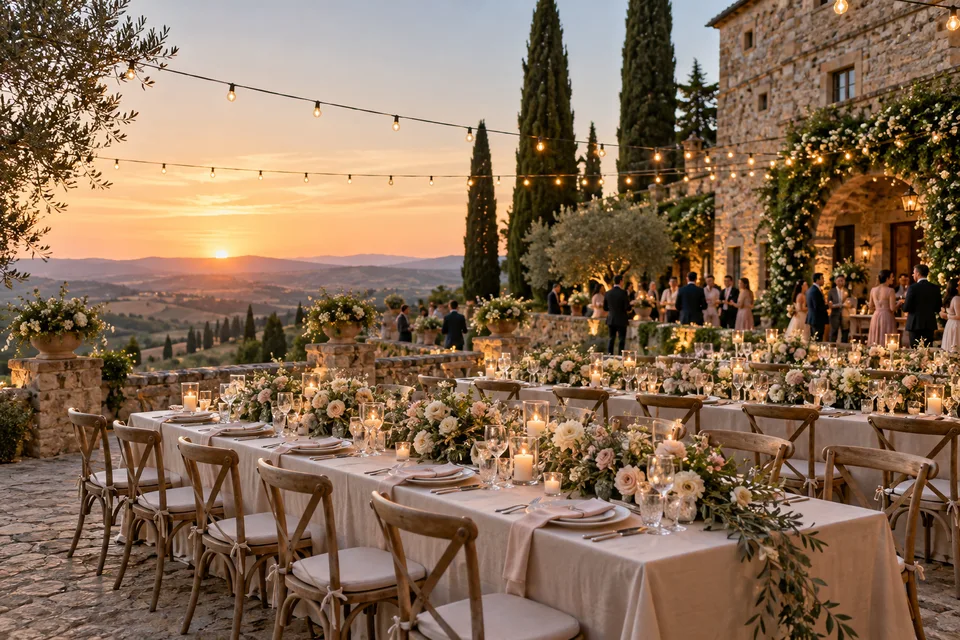
The art of celebrating together
Thoughtful plans, beautiful details, and words that stay with you. Make room for what matters, from the first idea to the last dance.
Start planning your weddingThe editorial selection
A little clarity for the big decisions, and inspiration for the details that make a wedding feel personal.
Wedding Planning
Set priorities, build a workable guest list, compare venues, and turn the big decisions into a calm wedding plan.
Ceremony & Traditions
Build a personal ceremony with a clear sequence, thoughtful readings, inclusive participation, and practical rehearsal notes.
Wedding Words
Original wedding card examples for friends, family, colleagues, and couples you do not know well, with a simple personalization method.
A wedding can be elegant without becoming an exercise in doing everything. Begin with the people you want beside you, the promises you want to make, and a realistic idea of what you can spend. The visual details can grow from those decisions. At Anna’s Weddings, we approach planning as a way to protect the atmosphere you want: welcoming, considered, and recognizably yours.
First things first
You do not need a finished vision to begin. You need a few shared priorities and a decision order that makes sense. Settle the choices that affect everything else before getting lost in ribbons, table numbers, and competing mood boards.
Keep one shared planning document. Record decisions, written quotes, payment dates, and who is responsible for the next step. A short, current plan is more useful than several beautiful spreadsheets nobody remembers to update.
Set a regular time to review the next few decisions together, then leave wedding planning aside for a while. You can delegate a task without handing over every choice: explain the budget, the deadline, and what needs approval. That small amount of structure gives helpers useful freedom while keeping the celebration aligned with what you both want.
Read the planning guideChoose three things you both care about. Good food, time with family, or a private first moment together can become a practical filter for later decisions.
Use confirmed funds, include the less visible costs, and keep a reserve. Our budget planning guide helps you compare complete quotes rather than appealing starting prices.
Look at travel, accessible routes, seating, meals, and the journey home. Clear information and a comfortable welcome are details people can actually experience.
Visit with your guest count and event format in mind. Ask about wet-weather space, setup time, sound, furniture, and the responsibilities written into the agreement.
Work backward from the ceremony and meal. Allow time for movement, photographs, dressing, and pauses. Check vendor timings before sharing the final run sheet.
Give each vendor one accurate brief and a contact for the day. Assign setup and collection explicitly so that helpful intentions do not become last-minute confusion.
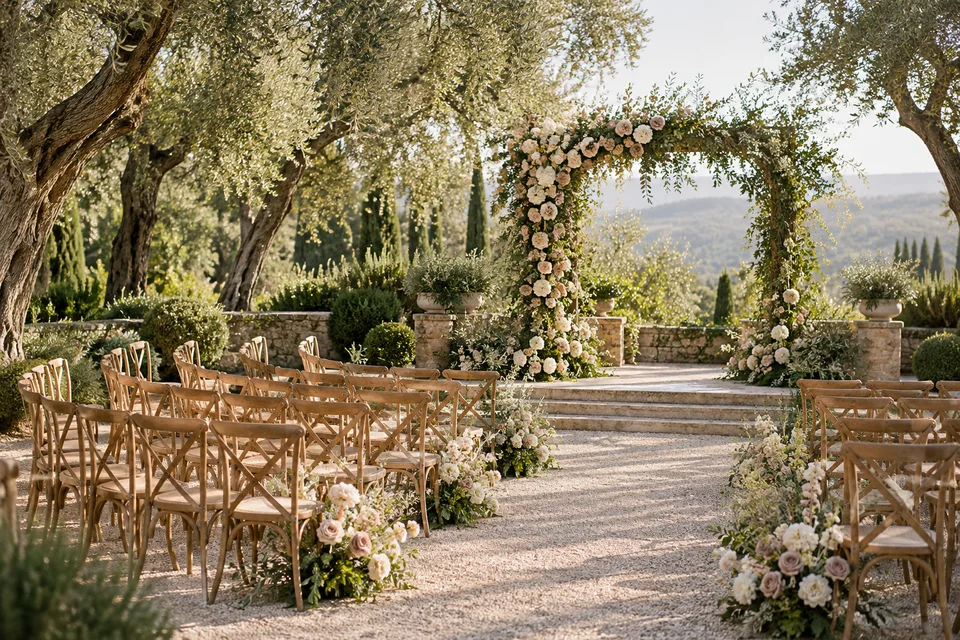
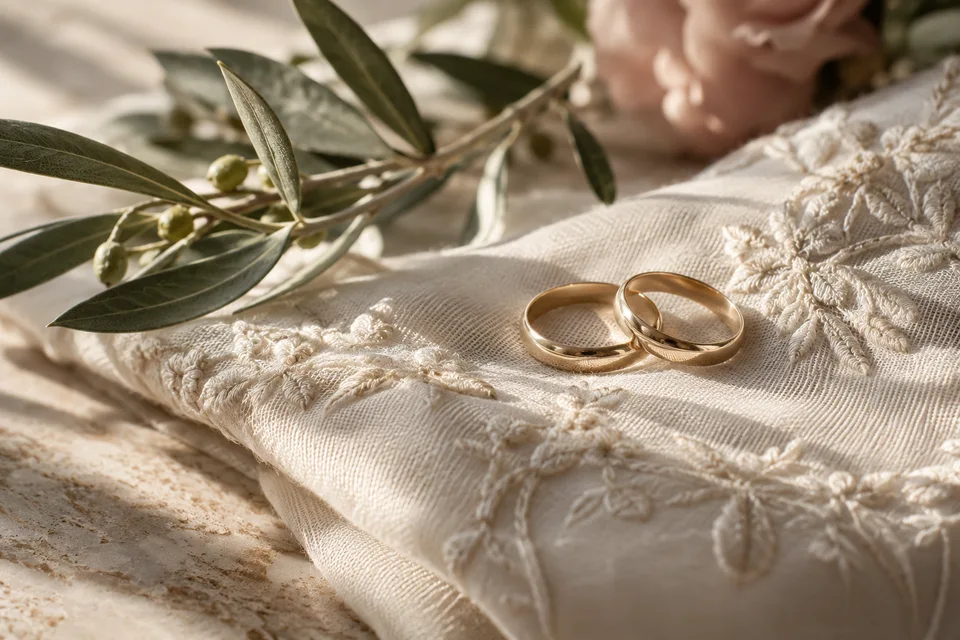
Ceremony inspiration · AI-generated editorial image
Ceremony & traditions
The ceremony is a chance to say what this commitment means to you. A familiar reading, a thoughtful welcome, or a promise grounded in daily life can make a stronger impression than a long sequence of decorative rituals.
Start with your officiant’s requirements and the legal steps that apply where you marry. Then decide how to include family, language, music, and beliefs. Guests should be able to hear, follow, and participate comfortably, without needing to guess what happens next.
Traditions deserve context. Ask whose custom you are borrowing, what it means, and whether adaptation is appropriate. Our guide to wedding traditions helps you discuss what to keep, change, or leave out with care. A new shared action can be meaningful without being presented as an ancient practice.
Create a personal ceremonyBridal style & atmosphere
Build a wedding look around how you want to feel and move. Fabric, fit, shoes, and weather matter alongside silhouette. Your outfit can be a gown, tailoring, separates, or cultural dress; the choice should support the day you are planning.
For the room, begin with the venue’s existing materials. A few related colors, repeated thoughtfully in flowers and stationery, can create continuity without making every object match.
Test samples in realistic light, allow flexibility for flower availability, and keep essential wording readable. The strongest visual choices work together without competing for attention.
Find your wedding style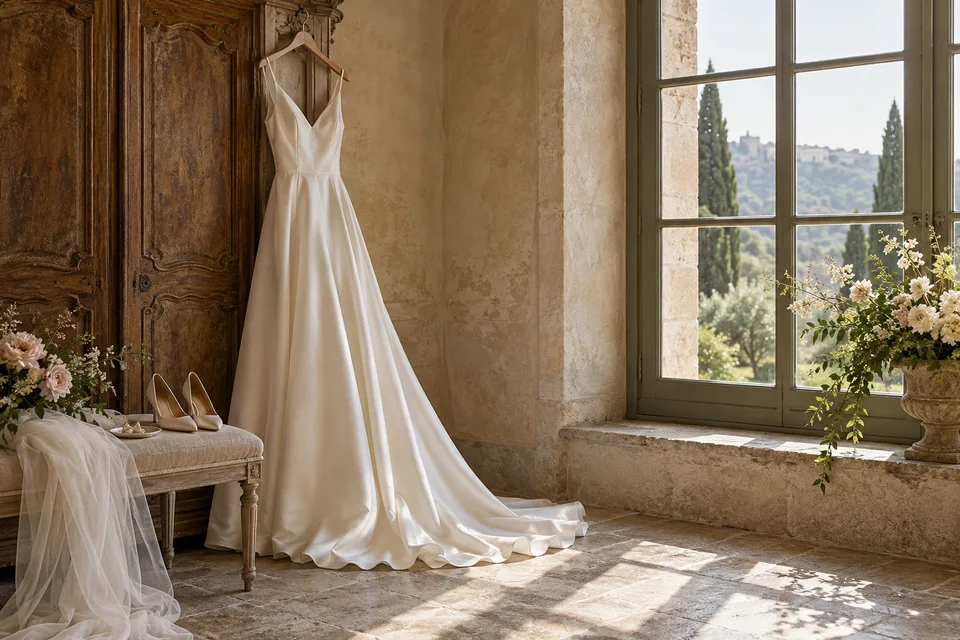
Comfort, movement, and a little romance.
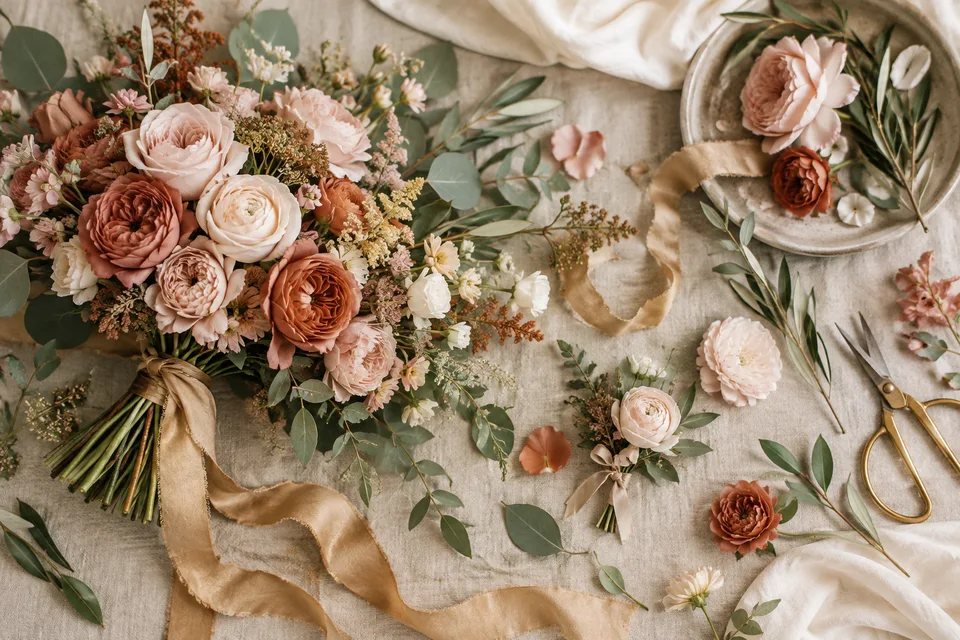
Color begins with real materials.
Words that matter
The card tucked into a keepsake box. The promise spoken slowly. The toast that makes a whole table smile. Wedding words do not have to be elaborate to carry meaning; they need to sound like the person saying them.
For a wedding card, address both partners, name one true detail, and offer a warm wish. A friend might recall a small moment of kindness; a colleague can simply send thoughtful congratulations. Avoid assumptions about children, surnames, faith, or the shape of the couple’s future.
Our wedding card message guide includes original examples for different relationships. If you need a broader sense of tone, HeartfeltTexts’ personal-message ideas can help you begin. Let inspiration lead back to a fresh note in your own voice, with details that are actually yours.
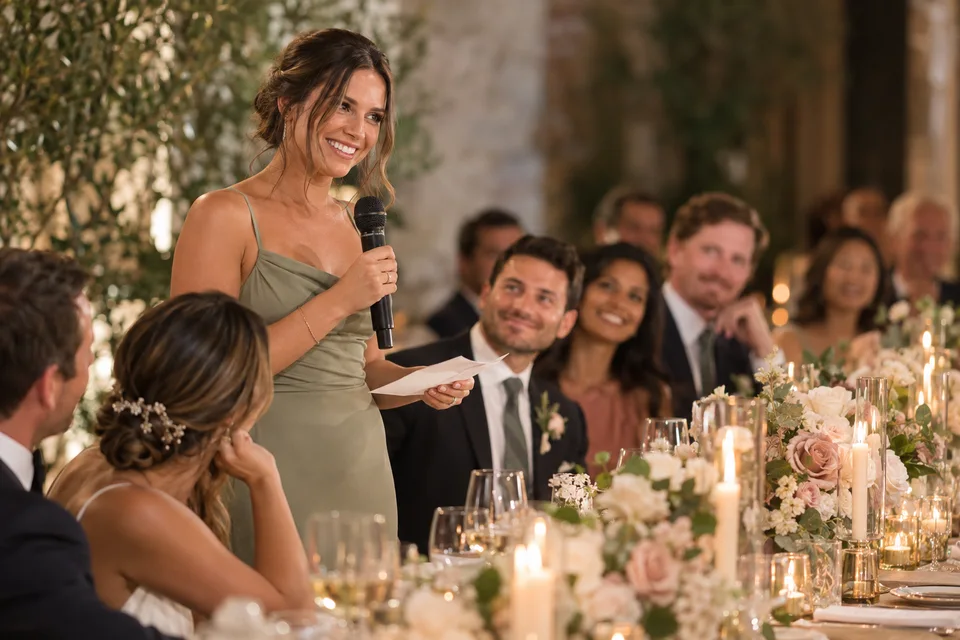
A speech works best with one good story and a clear connection to both partners. Keep private matters private, explain enough for the room to follow, and end while the meaning is still clear. You can be warm and memorable without turning the toast into a performance.
The same approach helps with vows and anniversary notes: choose a specific observation, add gratitude, and say what you hope to keep building. Read the draft aloud. Replace the grand phrase you would never normally use with a sentence you can mean. Our wedding speech guide shows how to shape and rehearse it.
“Make room for the people, promises, and small details that feel like home.”
The practical edit
A workable wedding budget starts with your own circumstances. It does not need to resemble an imagined national average or somebody else’s celebration. Compare full quotes, understand which costs move with the guest count, and keep track of balances as well as deposits.
Our guide includes an illustrative allocation and a simple review method. Use them to make tradeoffs together: fewer rentals might protect the food budget; a simpler schedule might reduce extra hours. The goal is a celebration you can enjoy without losing sight of what it asks of you.
Make your budget workFrom the journal
Eight focused guides to return to as the plans take shape.
Wedding Planning
Set priorities, build a workable guest list, compare venues, and turn the big decisions into a calm wedding plan.
Wedding Planning
A practical wedding budget worksheet, quote-comparison method, and guest-count exercise without invented average costs.
Ceremony & Traditions
Build a personal ceremony with a clear sequence, thoughtful readings, inclusive participation, and practical rehearsal notes.
Ceremony & Traditions
A respectful way to understand wedding customs, discuss family expectations, and choose what to keep, adapt, or leave out.
Bridal Style
Six adaptable wedding palettes, a venue-first method, and practical checks for flowers, lighting, and readable stationery.
Bridal Style
Choose wedding clothing around movement, fabric, venue, weather, alterations, and the details you actually enjoy wearing.
Wedding Words
Original wedding card examples for friends, family, colleagues, and couples you do not know well, with a simple personalization method.
Wedding Words
Turn one good story into a clear wedding speech, with an editable outline, original sample, and practical delivery checklist.
About Anna’s Weddings
Anna’s Weddings is an independent editorial publication for couples, guests, and families. We cover the decisions, language, and visual details surrounding weddings, with practical explanations rather than a single formula for a perfect day. The name is a publication identity, not a claim that a named planner has personally organized the events shown here.
Our guides distinguish suggestions from requirements and use attributed sources for specific factual claims. The Victoria and Albert Museum’s wedding-color history, for example, offers useful context for questioning the idea that every wedding must look the same.
Examples and generated photography illustrate ideas; they are not client work or accounts of weddings we attended. Read our editorial policy for the approach behind the journal, or learn more about the publication.
A little clarity
Useful answers for the choices that come up early, often, and sometimes all at once.
Agree on a comfortable spending limit, a guest-count range, and any people or circumstances that make certain dates difficult. Check essential venue and officiant availability before announcing a firm date.
Yes. Give the smaller gathering an intentional shape: a ceremony people can hear, a shared meal, and time for conversation. Explain invitation decisions consistently and kindly rather than presenting the event as a lesser version of a bigger wedding.
Ask what each request is meant to express, then discuss it privately as a couple. Set the decision together and communicate it clearly. You can recognize a relative’s feelings without agreeing to every activity or expense.
Provide the actual location, arrival time, dress guidance, response deadline, meal arrangements, and relevant travel or access information. Give a confirmed way to ask questions, and update guests directly if an essential detail changes.
No. A brief message that includes both partners and one sincere wish is enough. Match your relationship and the couple’s tone. Personal warmth usually matters more than length, rhyme, or elaborate language.