Ceremony & Traditions
Wedding Ceremony Ideas That Feel Personal and Meaningful
Build a personal ceremony with a clear sequence, thoughtful readings, inclusive participation, and practical rehearsal notes.
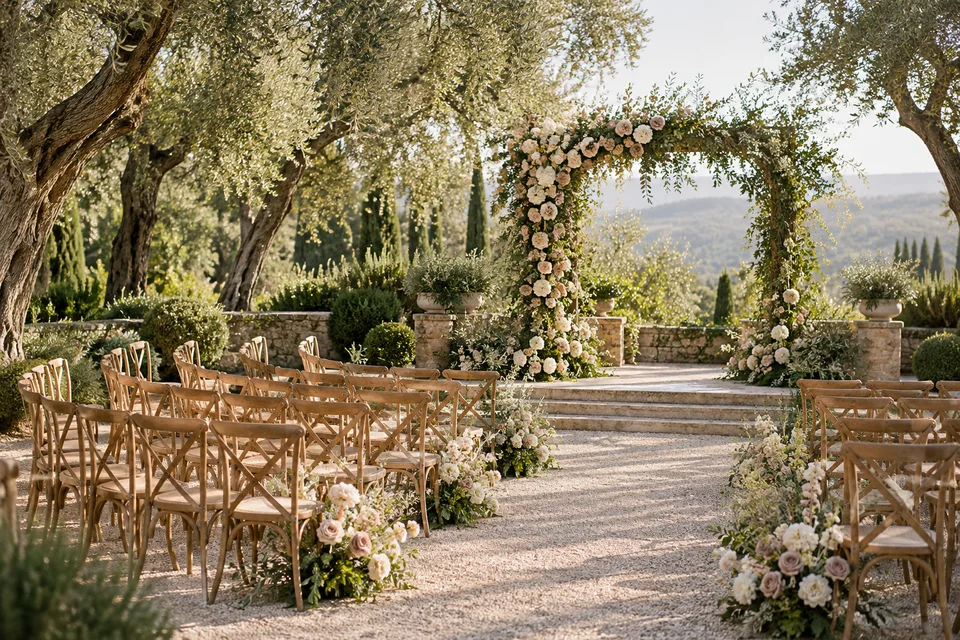
A personal wedding ceremony starts with what you want to promise and whom you want to include. Build a clear sequence around those ideas, then check the required wording and legal steps with your officiant and the responsible local authority. Personal touches work best when they support the promises rather than distract from them.
You can create warmth through a familiar voice, a short reading, or a thoughtful welcome. You do not need a long list of rituals. The ceremony should feel coherent to the people participating and understandable to guests encountering your traditions for the first time.
Ask the venue what happens immediately after the ceremony. Guests may need directions to refreshments while photographs take place, and readers need somewhere to leave their notes. A brief announcement about the next step keeps the atmosphere welcoming without adding another activity to the ceremony itself.
Write the ceremony's purpose in one sentence
Try a sentence such as: “We want a calm ceremony that honors our families and makes our promises easy to hear.” Use that sentence to decide what belongs. An energetic group activity might suit another couple perfectly while interrupting the atmosphere you want.
Talk about faith, family expectations, language, privacy, and physical comfort early. Decide together which subjects should stay private. If there are sensitive relationships, agree on introductions and family roles before the rehearsal rather than asking someone to improvise publicly.
A flexible ceremony sequence
- Arrival and settling. Music, seating guidance, and a clear place for mobility aids.
- Welcome. A brief introduction that includes both partners and their community.
- Reading or reflection. One piece with an obvious connection to your relationship.
- Promises. Required declarations and personal vows in the order your officiant approves.
- Symbolic moment. Rings or a chosen ritual, with an explanation if needed.
- Closing and departure. A clear ending and directions for what guests do next.
This is an editorial example, not a legally sufficient script. Religious and civil ceremonies can have specific rules, sequences, and wording. Ask the person conducting your ceremony what can change before printing programs or commissioning music around an assumed format.
Choose readings that earn their place
Read possible selections aloud. A passage that looks beautiful on a page can be hard to follow when spoken. Prefer language your reader can deliver comfortably and a length that allows the meaning to land. Ask permission where necessary and check any reproduction requirements before printing copyrighted work.
Give the reader the final text in a legible size, with pronunciation notes and a clear cue. Avoid surprising someone with a reading on the morning of the wedding. A willing reader with time to practice is more helpful than a reluctant relative given an honorary role.
Write vows with a shared framework
Agree on approximate length, tone, and whether you will hear each other's vows beforehand. A useful structure is one specific observation, one expression of gratitude, and two or three promises you can actually keep. Everyday commitments often carry more weight than promises of permanent perfection.
“You make room for my quiet days and my big ideas. I promise to listen before I try to solve, to share the ordinary work, and to keep choosing time together.”
This original example is a starting shape, not a statement about your relationship. Replace its details with your own. Avoid private jokes that need a long explanation, comparisons with previous partners, or disclosures your partner has not agreed to share.
Include family without assigning a performance
Family involvement can mean walking together, offering a brief welcome, carrying rings, or helping guests find seats. Give people choices and allow a graceful refusal. Children may enjoy a role but still need an adult backup and permission to stop if they become uncomfortable.
Use names and roles that match actual relationships. Two partners might enter together, each enter with chosen supporters, or already be standing at the front. No entrance pattern proves how loved or supported someone is. Explain the plan clearly to the people helping.
Treat symbolic rituals with care
Before including a ritual, learn its meaning and whether it belongs to a particular religious or cultural context. Ask someone knowledgeable within that tradition rather than relying on a decorative description. Some rituals need specific participants, objects, or preparation that cannot be reduced to a visual effect.
If an existing tradition does not fit, create a simple shared action without borrowing a sacred name. You could place letters in a keepsake box to read on an anniversary, or invite a brief moment of quiet. Our guide to traditions and alternatives offers questions for making those choices respectfully.
Make the ceremony easier to follow
Use a microphone even for a small group if the space is noisy or anyone needs amplification. Ask about accessible routes, seating with clear sightlines, shade, and nearby toilets. Offer a printed outline or translation if it would help guests understand the sequence.
For a bilingual ceremony, decide which parts need full translation and which can be introduced briefly in both languages. Provide the final text to interpreters and readers ahead of time. Translation adds time, so allow it in the schedule rather than rushing through the promises.
Give music a precise job
Choose music for arrival, entrances, any planned pause, and departure. Confirm the exact recording or arrangement, who starts it, and the cue for stopping. A favorite song may need a suitable edit so an entrance does not end halfway through an awkward lyric.
Check venue rules, equipment access, volume limits, and any licensing responsibilities with the people providing music. Keep an offline backup where permitted. One named person should control playback so several helpful guests do not start competing tracks.
Rehearse transitions, not emotions
Walk the route in representative shoes, practice standing positions, and test the microphone. Confirm who holds bouquets, rings, and printed vows. Mark where readers wait and what happens after the closing words. A short practical rehearsal lets participants stop worrying about mechanics.
Finish by checking the weather decision, arrival time, and contact person. Save emotional spontaneity for the day while giving everyone a dependable structure. You can place the ceremony into the wider schedule using our wedding planning guide, then prepare reception remarks with the speech-writing guide.
Published by Anna’s Weddings Editorial. Examples are illustrative; planning suggestions should be adapted to your location, venue, and circumstances. Read our editorial standards.